Winter Elopements: Why More Couples Are Saying “I Do” in the Snow
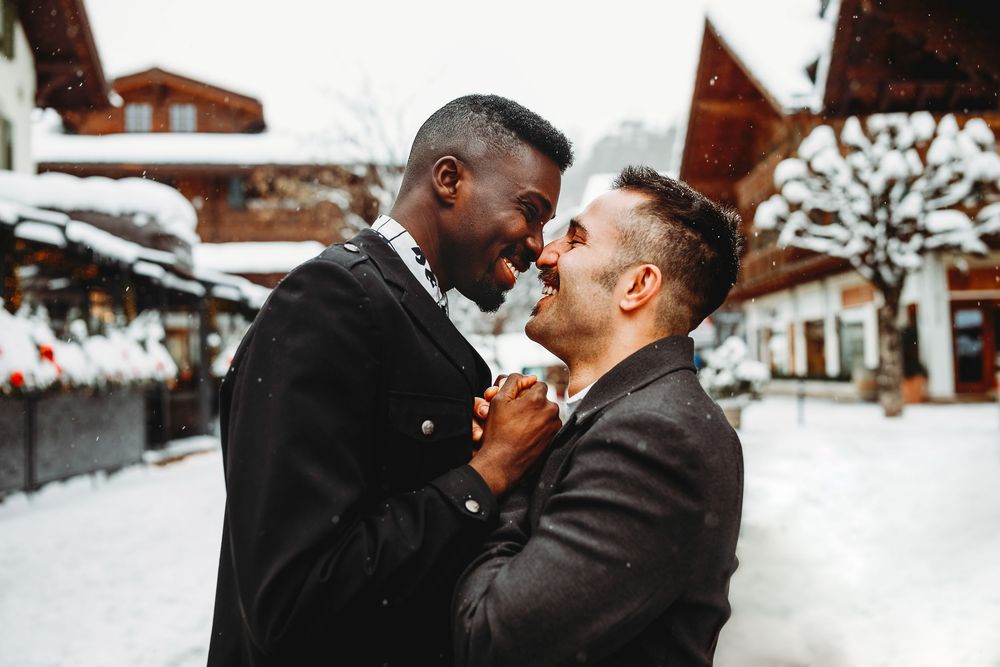
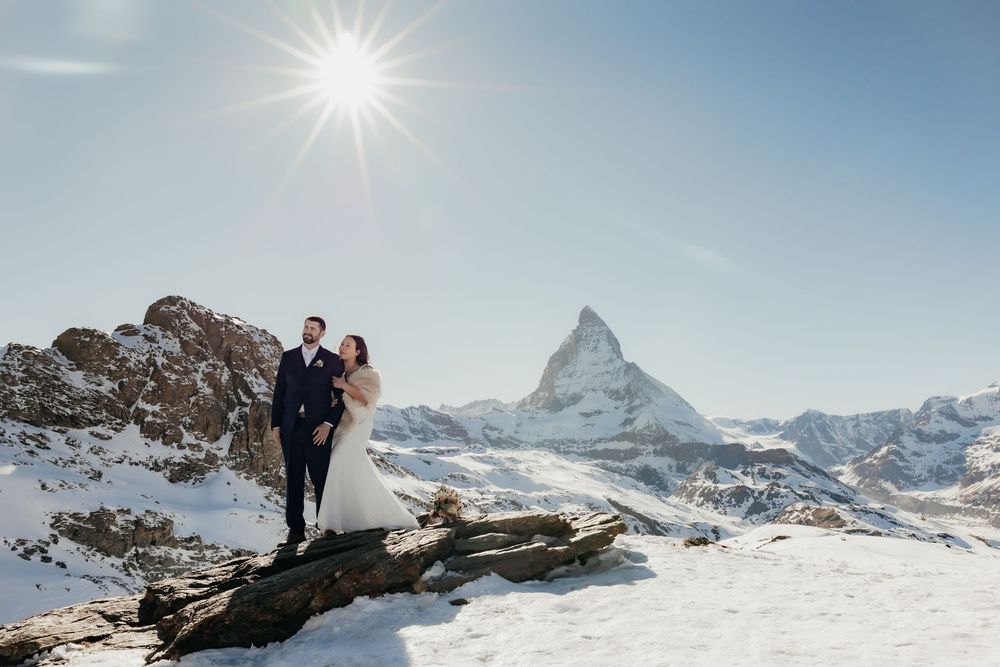
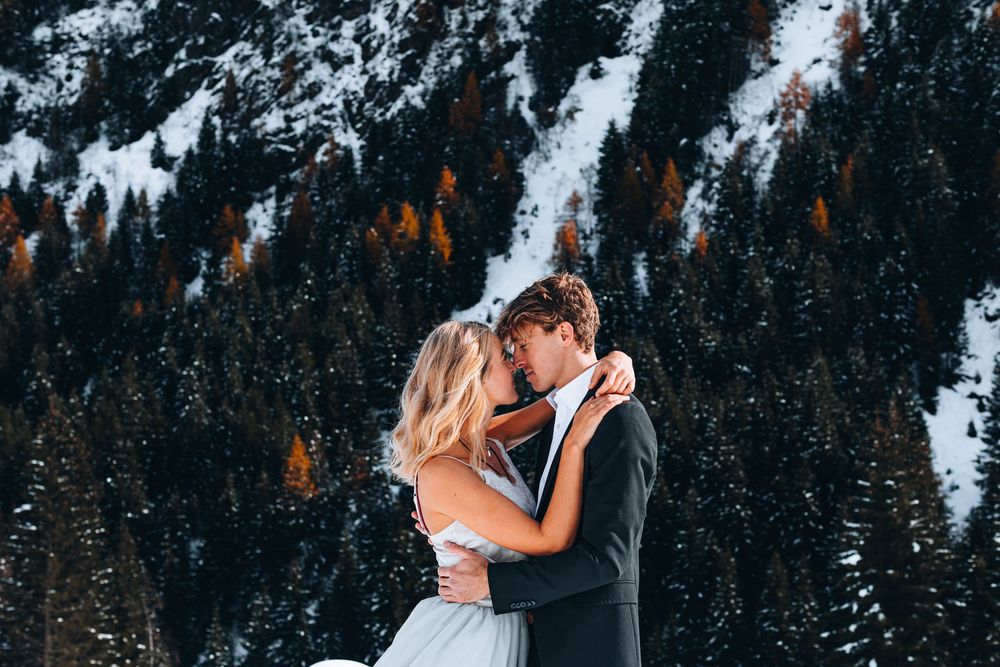
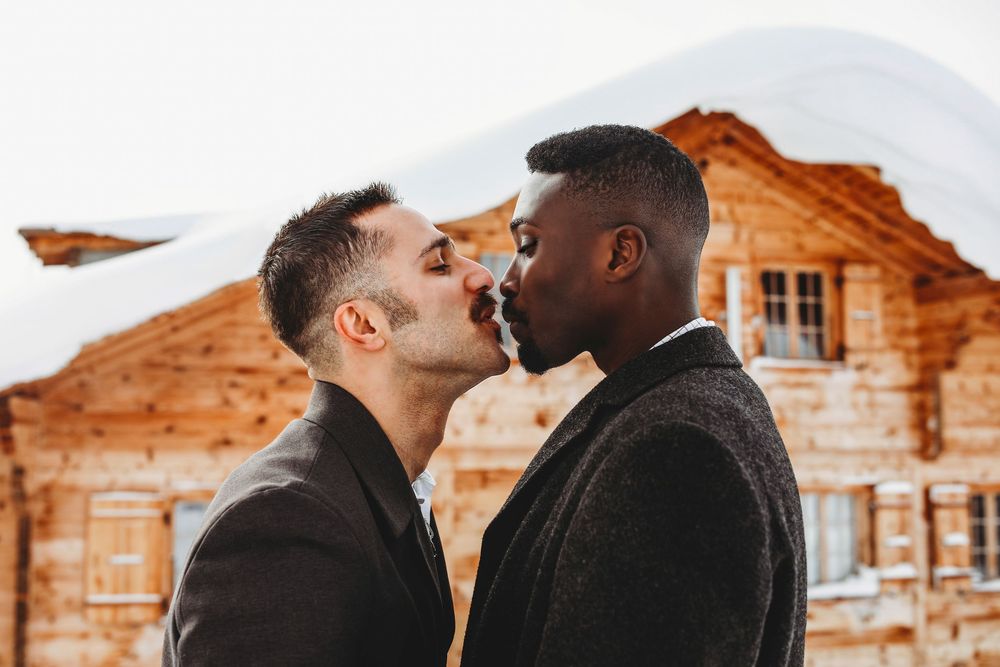
Over the past few years, I’ve noticed a quiet but steady rise in winter elopements- and I’m thrilled about it. More and more couples are choosing to embrace the magic of the cold season, trading traditional wedding venues for snowy trails, alpine cabins, and twinkly lights reflecting off fresh powder. There’s something inherently romantic about winter: the stillness, the mood, the way the light softens the world. It’s also a wonderful way to add an extra sense of adventure to your day.
If you're someone who thrives in the off-season, who loves hot drinks and cozy blankets and a bit of boldness—then this might be the perfect route for you. But before you start picking out snow boots and wildflowers, let’s walk through everything you need to know. Below, I’ll break down the key things to consider, the pros, the cons, and how to prepare for a winter elopement that feels just right.
Things to Consider Before Planning a Winter Elopement
Winter elopements come with their own unique set of logistical challenges- nothing that can’t be handled, but definitely things to be aware of when choosing your date and location.
Access to Locations:
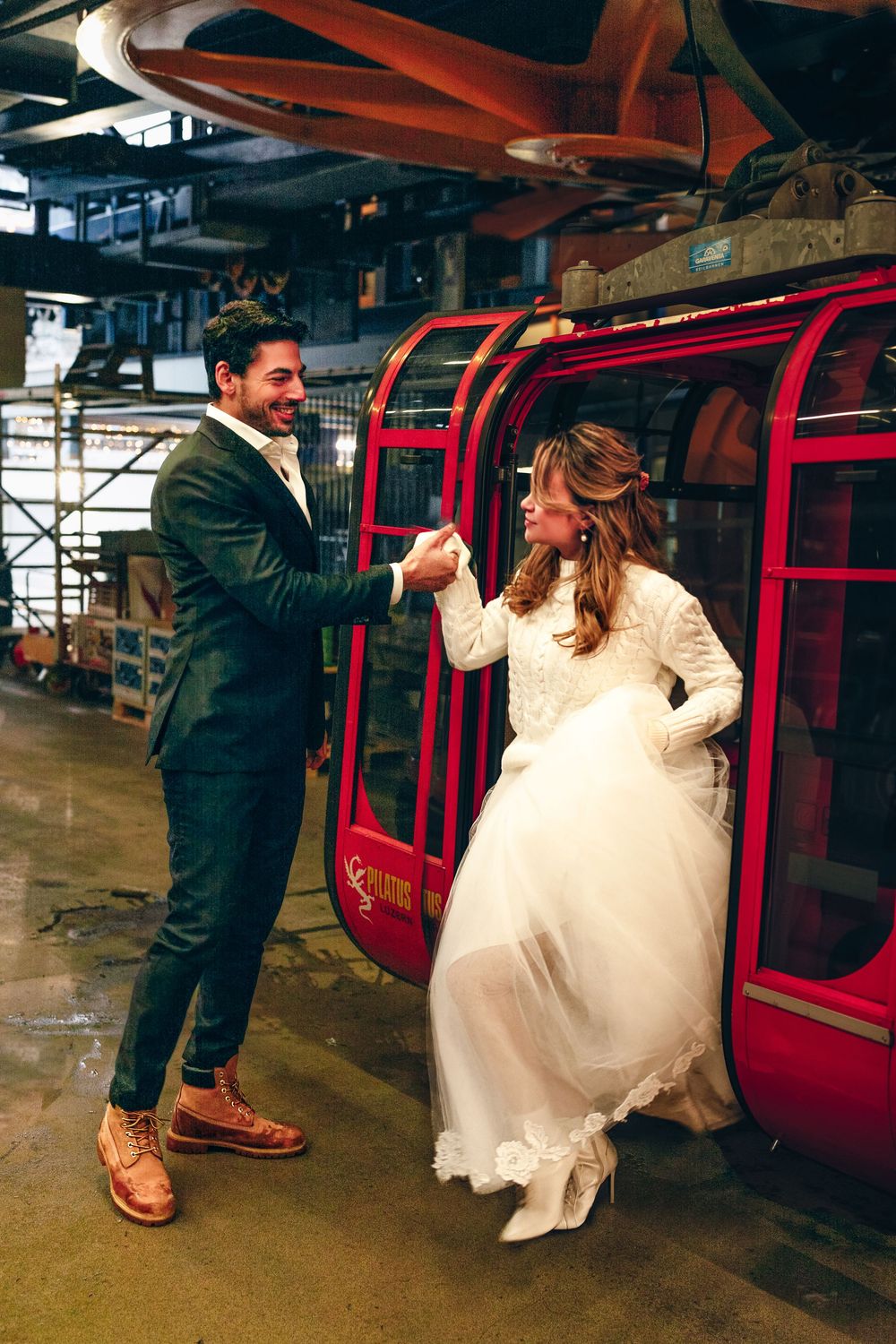
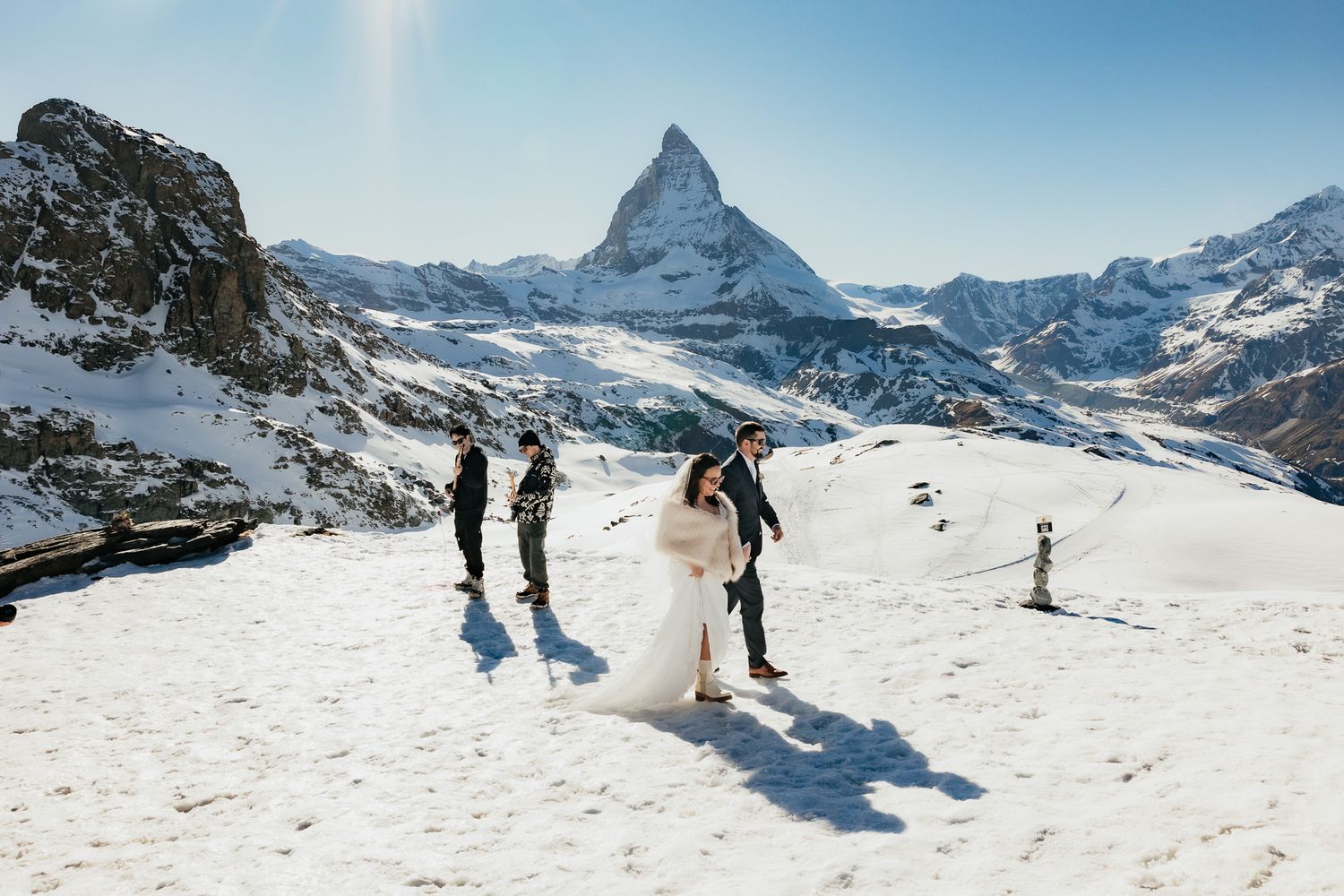
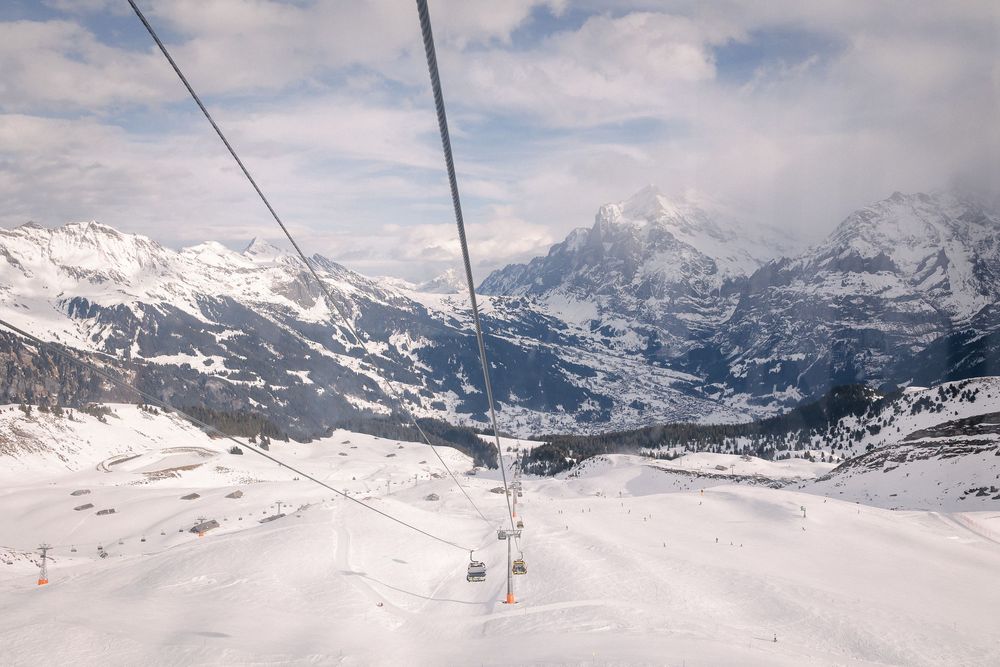
Many trails, lakes, or high-altitude areas are only accessible by gondola, ski lift, or snowshoes in winter. What might be an easy summer hike could become a half-day snow trek. Research whether your location is reachable in winter conditions, and check if any roads or paths are closed for the season. Some locations even require avalanche-safe routes or special permits if you’re heading off the beaten track.
Opening Times:
If your dream location includes a gondola ride, a cozy mountain hut, or a specific café, make sure to check their winter hours. Many mountain businesses run on seasonal schedules and may only be open during weekends or holiday periods. These times also vary regionally- so always double-check and plan ahead.
Swiss Ski Holidays (Sportferien):
In Switzerland, February is peak ski holiday season, known as Sportferien. During these weeks, alpine areas fill up fast with families and tourists. Accommodation becomes scarce, prices increase, and quiet locations are harder to come by. If you want a more peaceful experience, consider scheduling just before or after these holiday weeks.
Limited Daylight:
Days are shorter in winter, and that affects your timeline. Sunrise might not happen until 8 a.m., and sunset could be around 5 p.m.—but this can actually be an advantage (we’ll get to that below). The key is to build a timeline that allows for soft, low light and plenty of breaks to stay warm.
Transport & Weather Contingencies:
Snowstorms can lead to closed roads, train delays, or even gondola shutdowns. If you’re heading somewhere remote or high up, I always recommend arriving a day early and staying nearby to avoid stress. Bonus: you wake up already in the mountains, ready for your big day.
The Pros of a Winter Elopement
So why consider a winter elopement in the first place? Aside from the obvious, snowy peaks and cozy vibes- there are a lot of subtle perks that can make your day incredibly special.
That Après-Ski Feeling:
Imagine ending your ceremony wrapped in blankets on the terrace of a mountaintop lodge, sipping hot chocolate or champagne as snow falls gently around you. Winter days invite a slower pace, more intentional pauses, and a true sense of hygge. It’s not just about the photos- it’s about how the day feels.
Beautiful, Moody Weather:
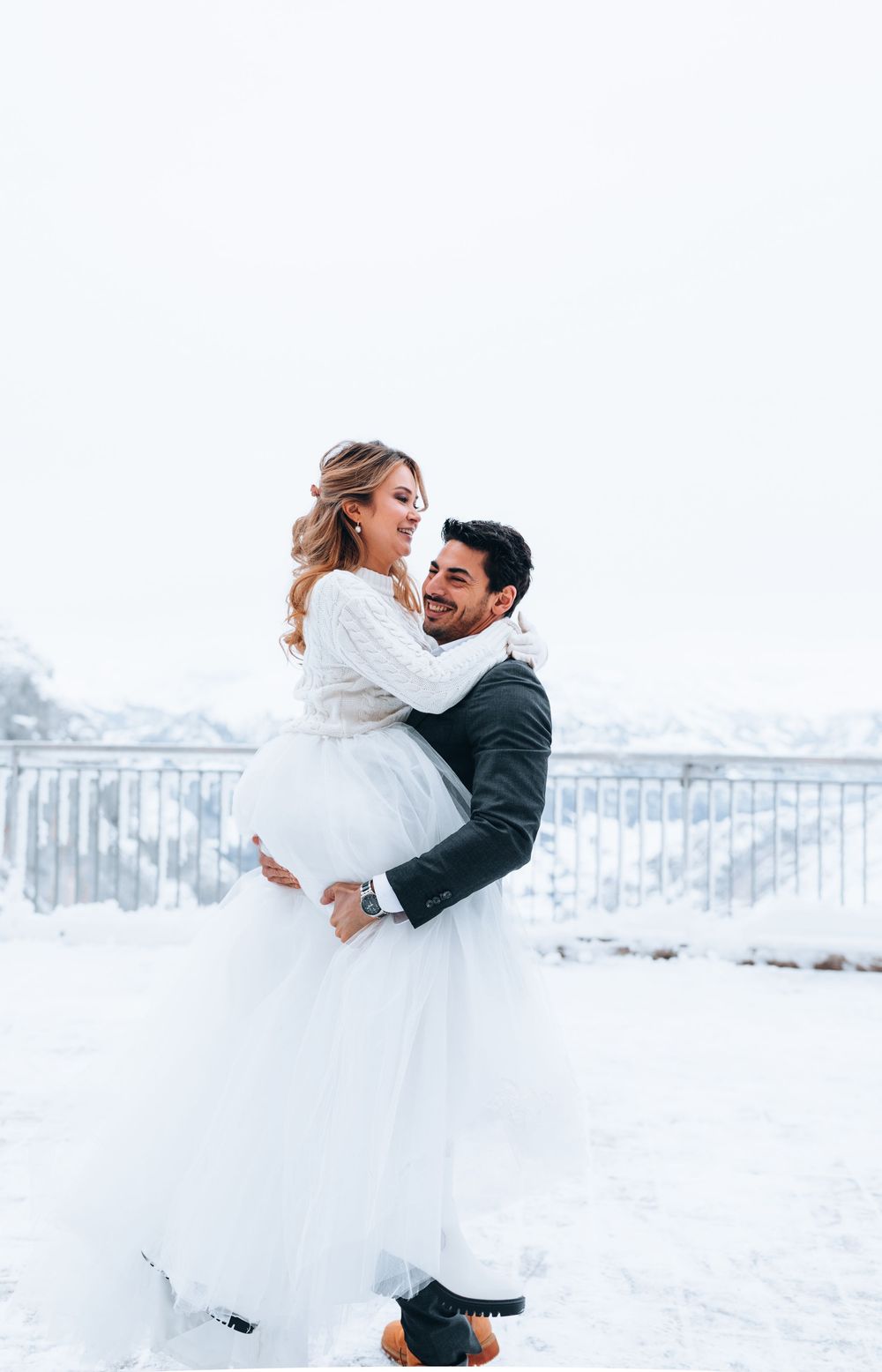
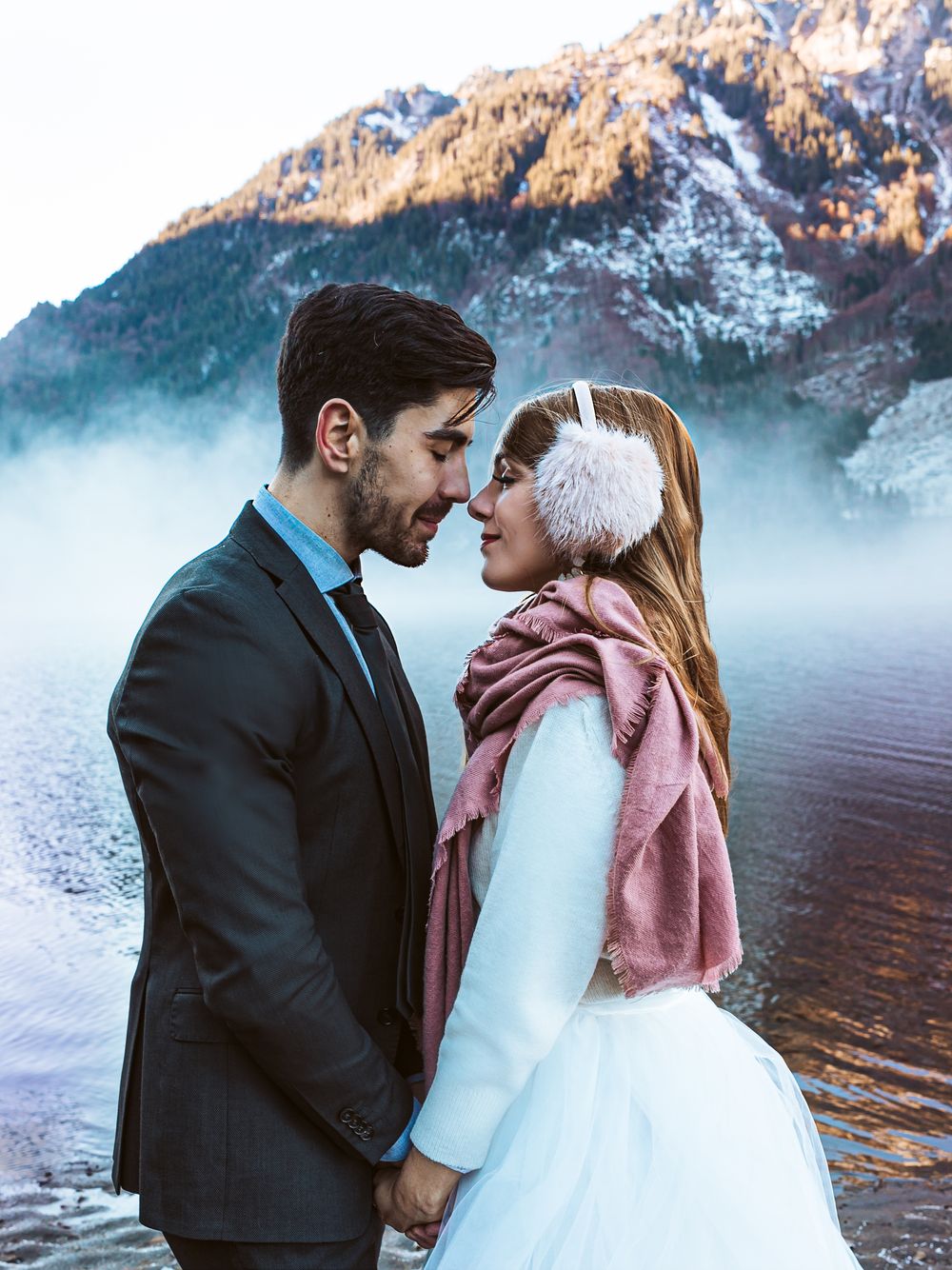
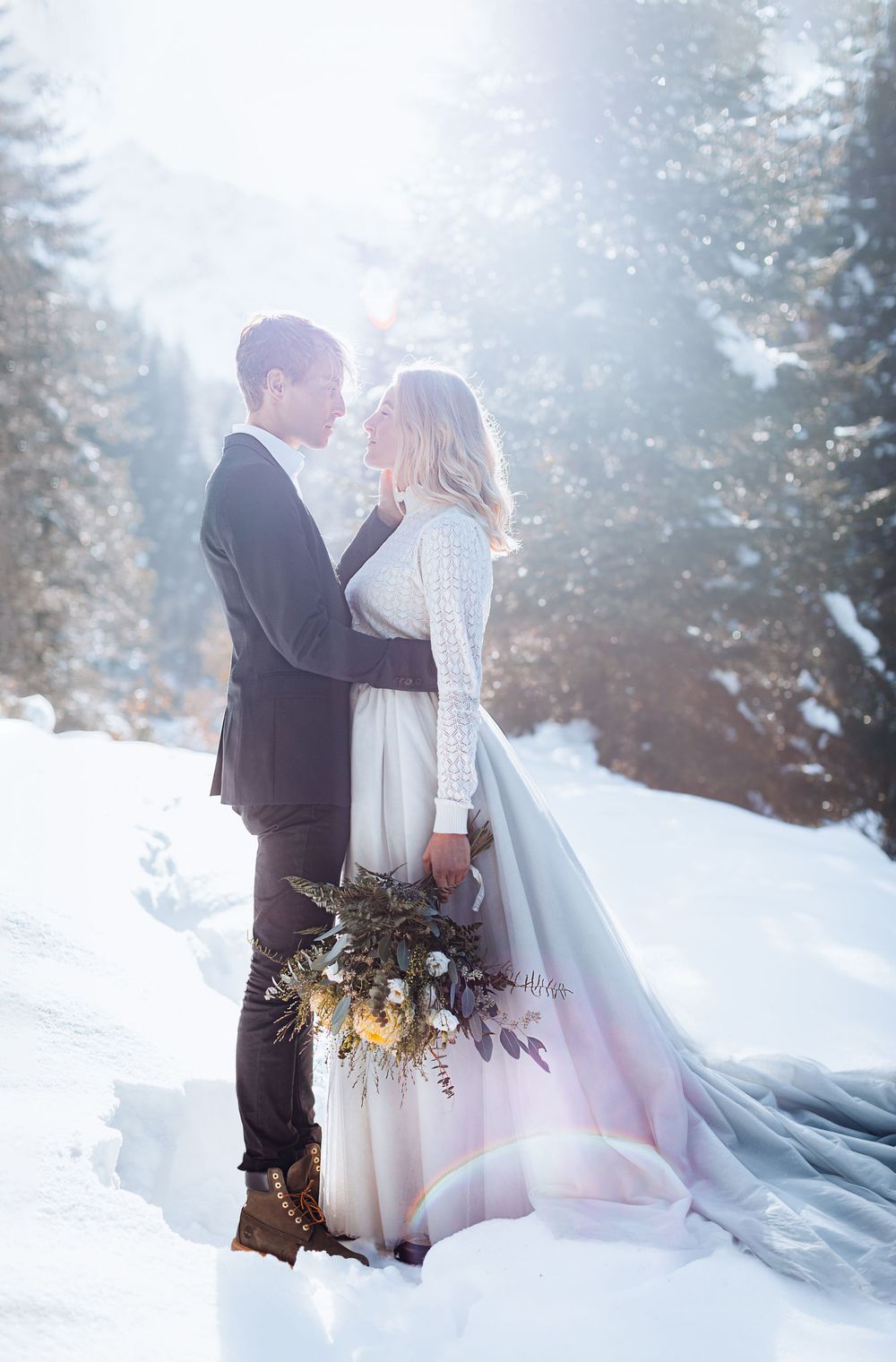
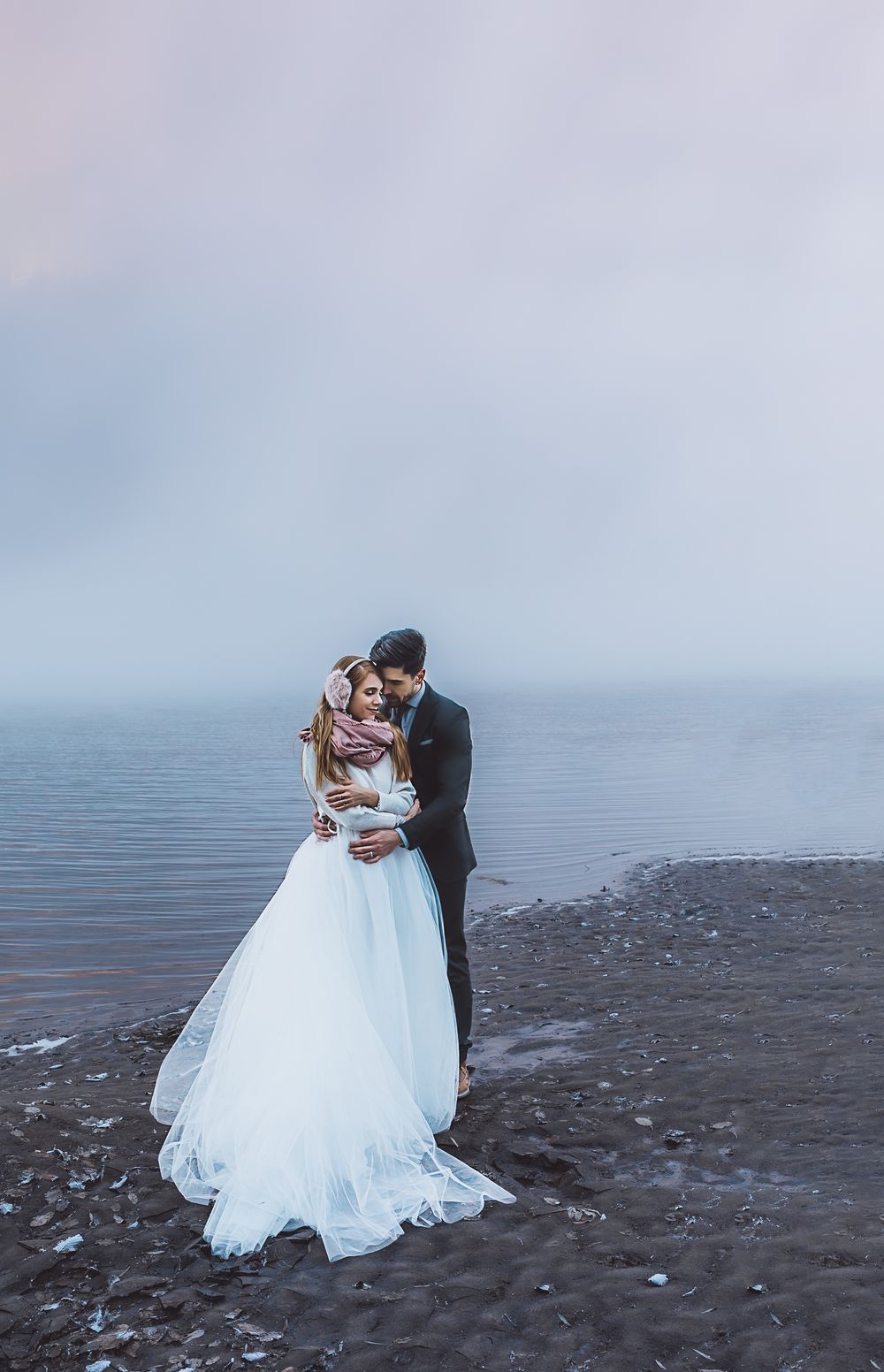
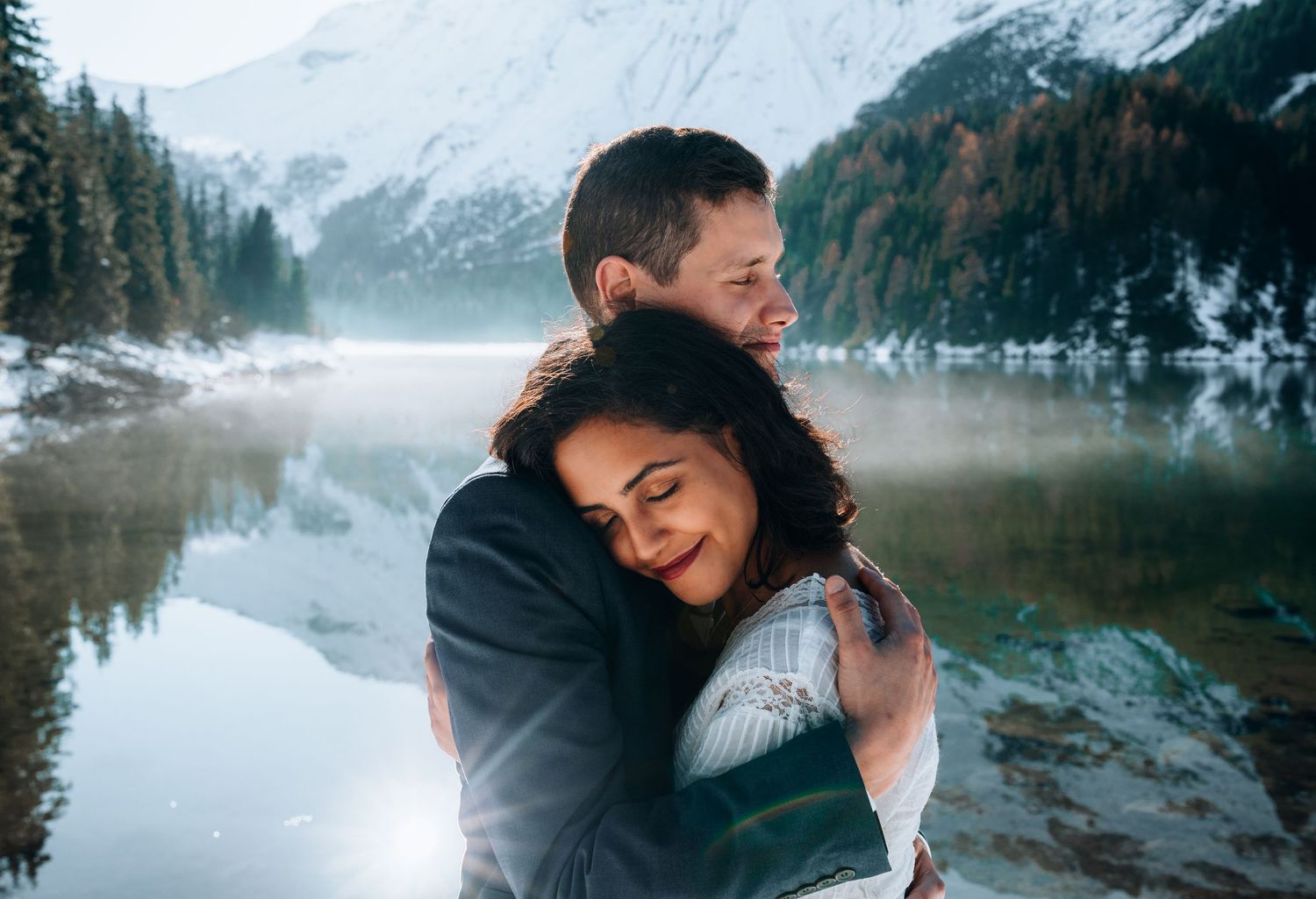
Winter weather can be dramatic in all the best ways. Misty skies, fresh snowfall, and low-hanging clouds create an atmosphere that’s cinematic and deeply romantic. If you’re into moodier tones or editorial-style photography, winter light will be your best friend.
Gorgeous Light All Day Long:
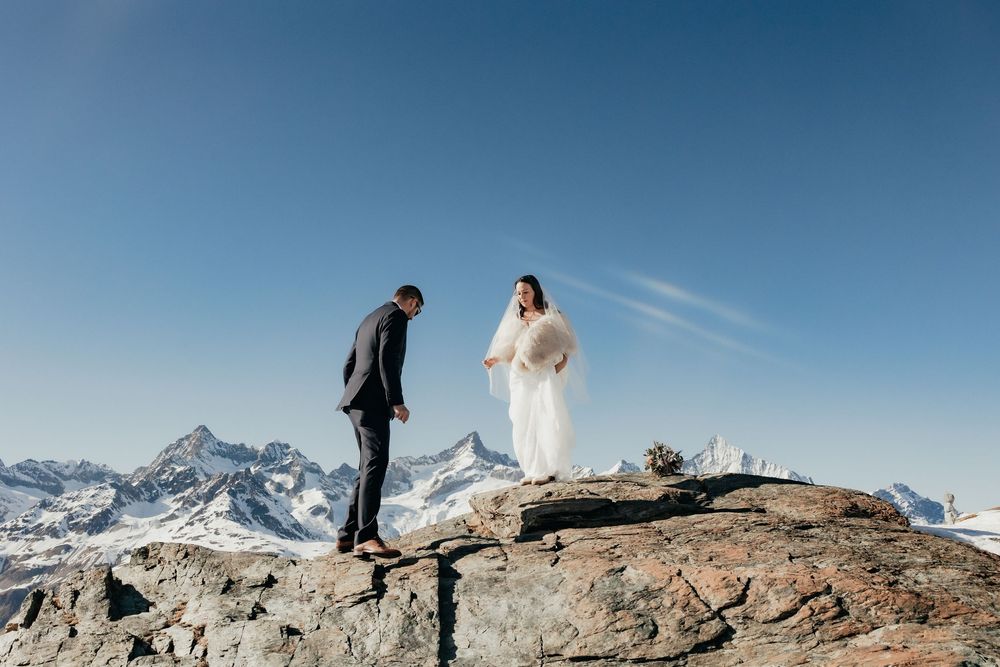
Here’s the magic of limited daylight: it’s almost all golden hour. In winter, you get long stretches of morning and evening light, with that soft, diffused glow photographers dream of. And if you're lucky, you might catch the elusive Alpenglühen, when the mountaintops turn pink and gold in the late afternoon.
Adventures Built In:
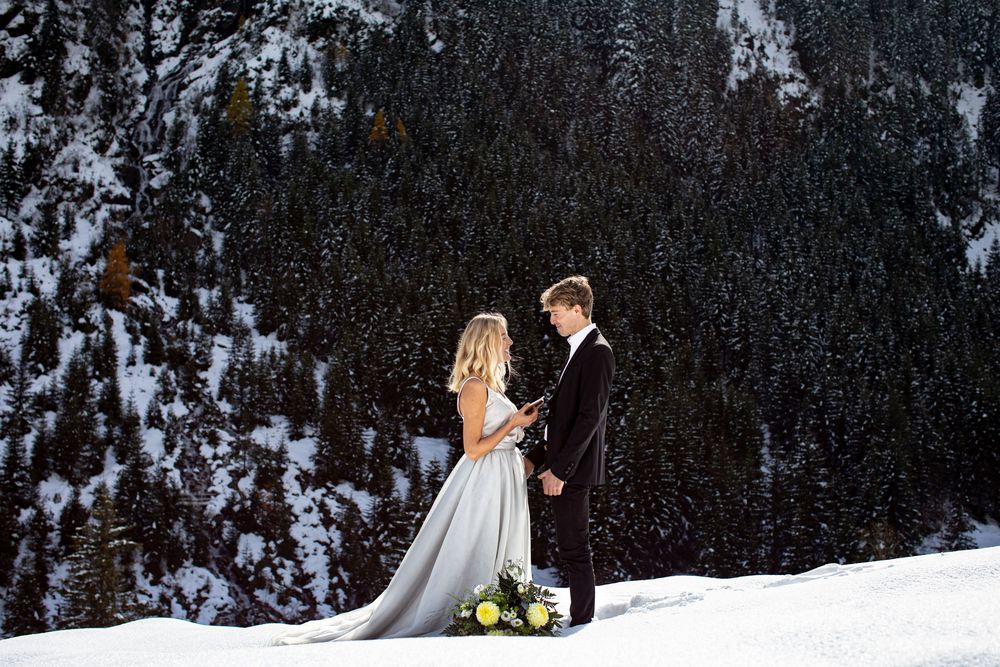
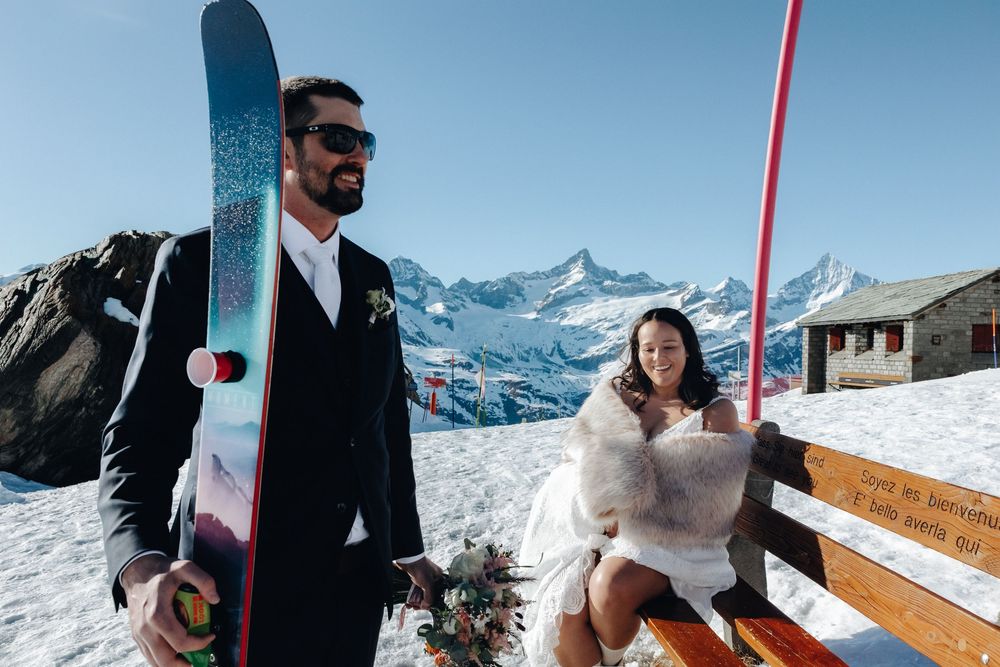
Winter is a playground. You can snowshoe into a remote forest for your vows, book a dog sled ride across a frozen field, or even ski or snowboard into your ceremony spot. Want to arrive at your vows on a toboggan? You absolutely can. There’s a sense of spontaneity and wonder that makes winter elopements unforgettable.
Long-Lasting Flowers:
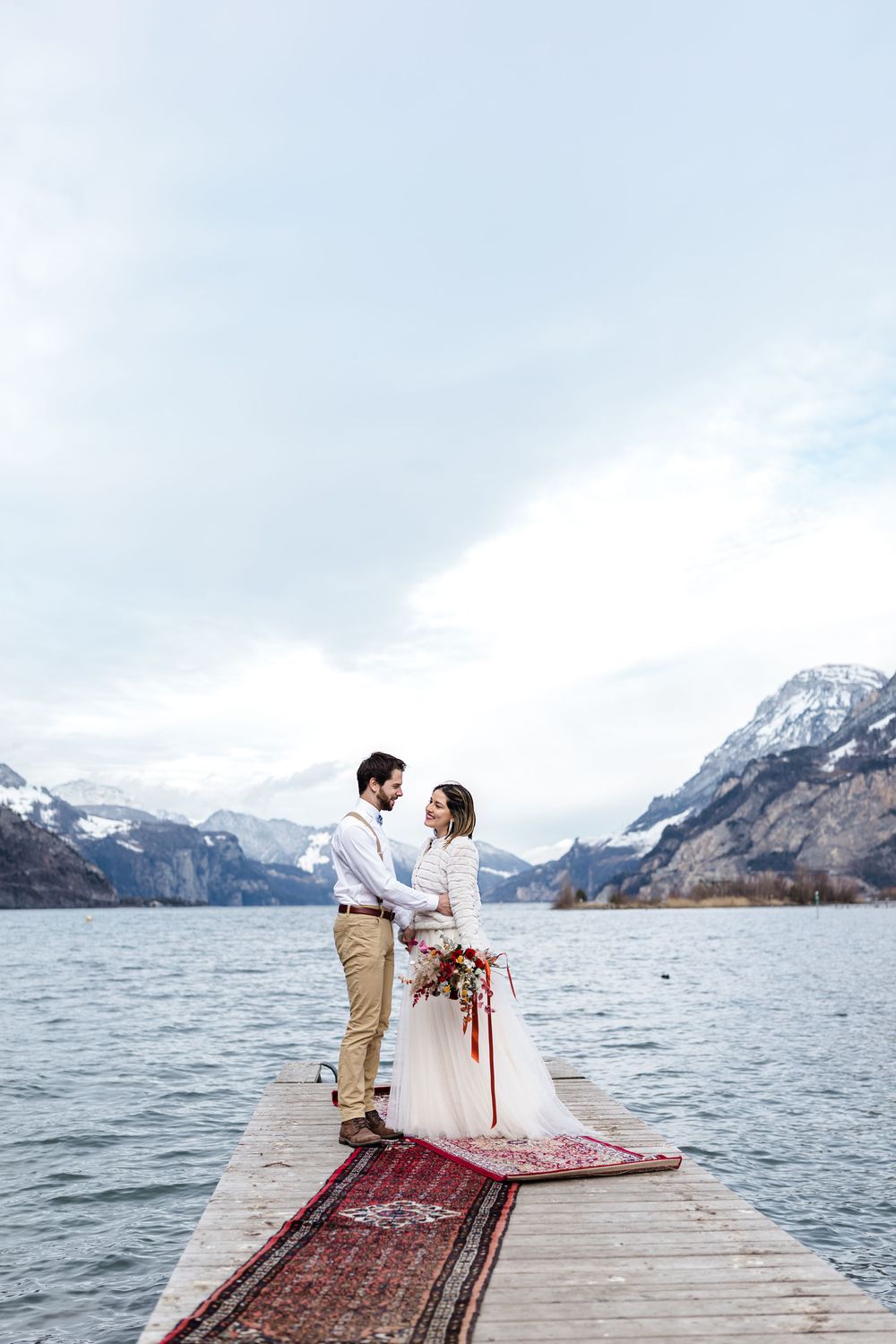
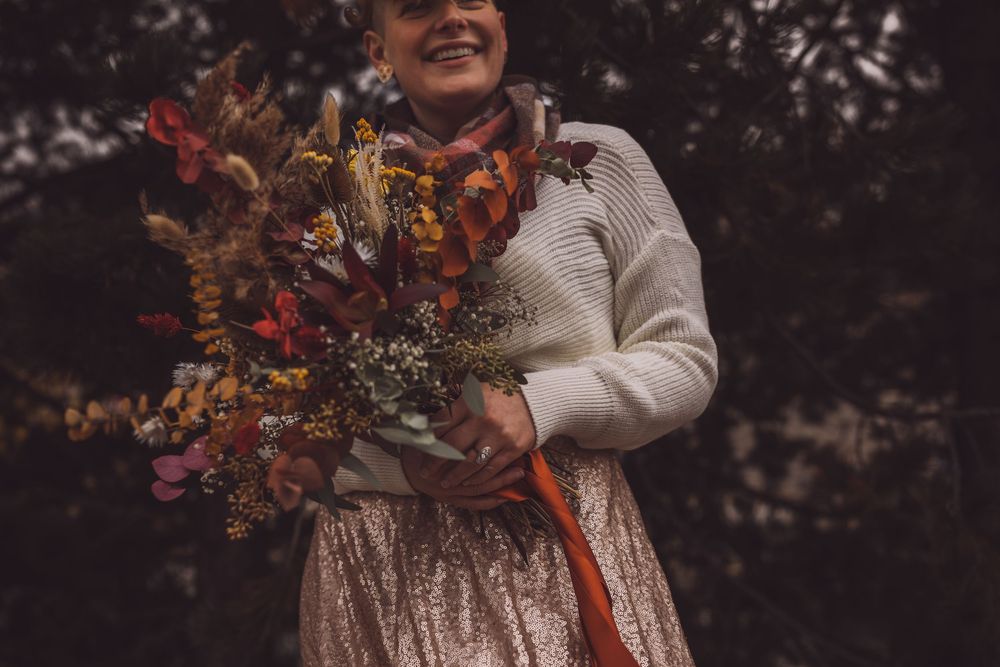
The cold weather helps your bouquet stay fresh longer—no wilting petals or droopy greenery. Many winter florals are hardy and striking, with deep hues and interesting textures. And if you go with dried flowers, they’ll survive whatever the weather throws your way.
How to Prepare for a Winter Elopement
Planning ahead is essential when you’re working with cold weather and snow. A few small choices can make a huge difference in comfort and enjoyment.
Dress for the Season (and the Photos):
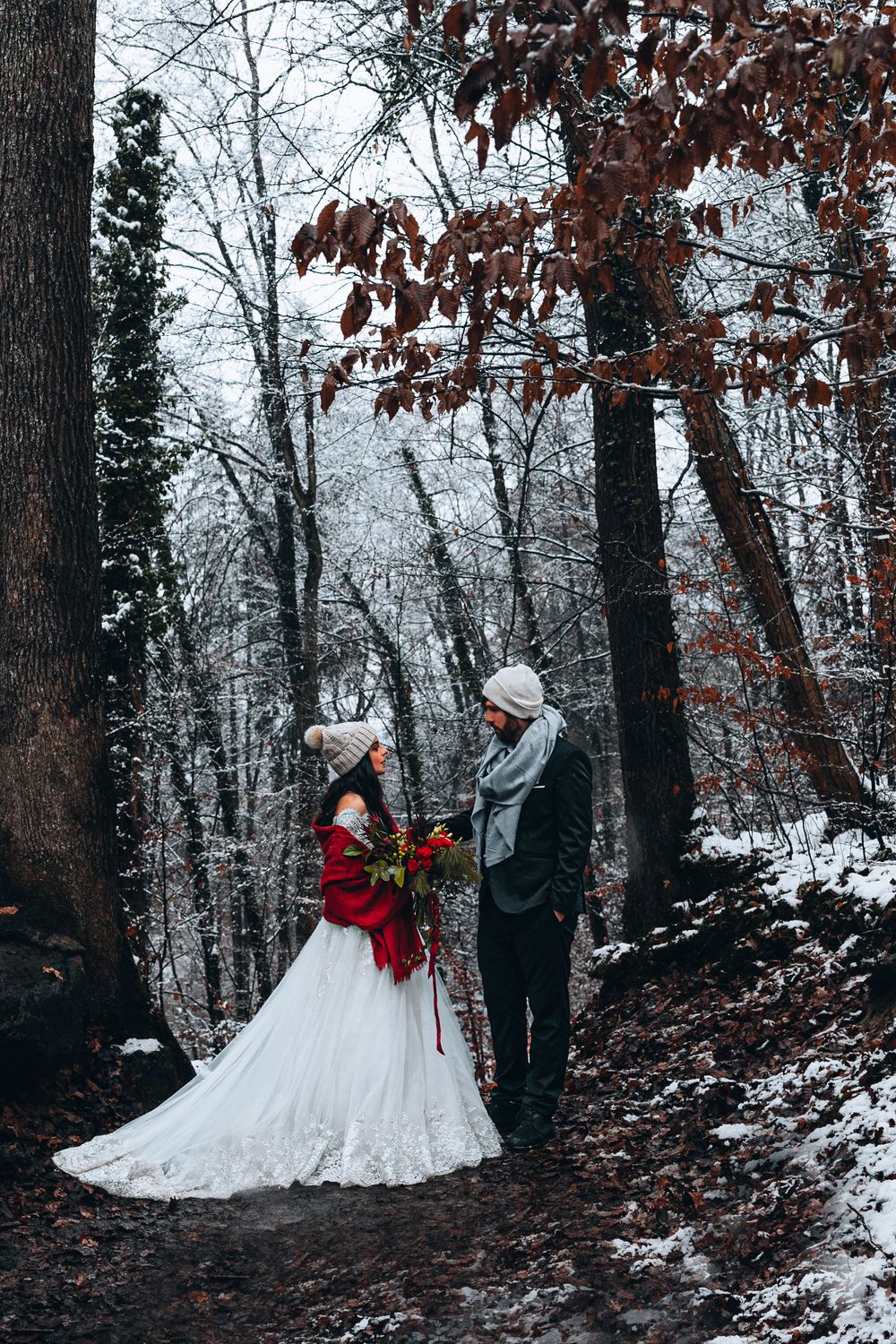
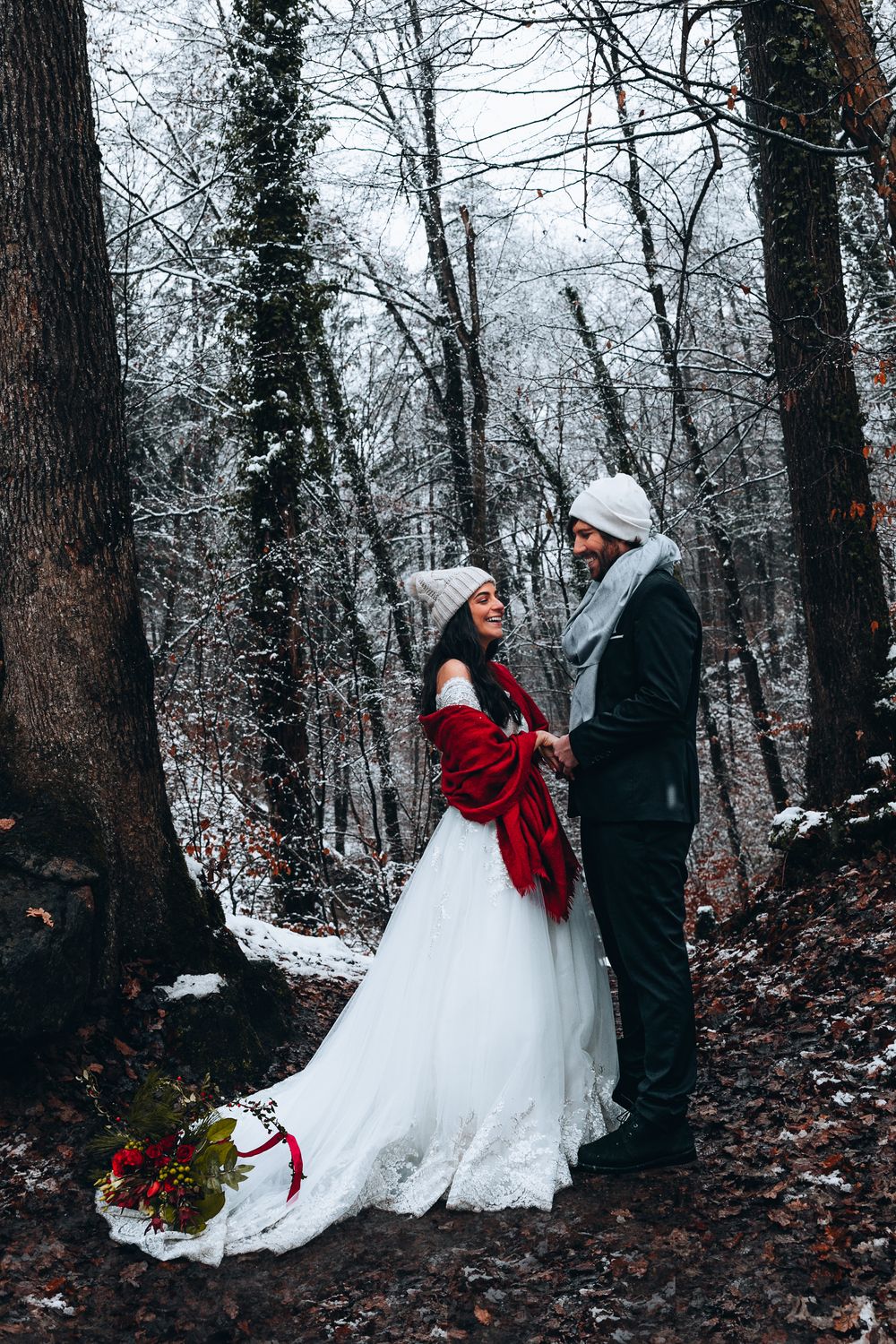
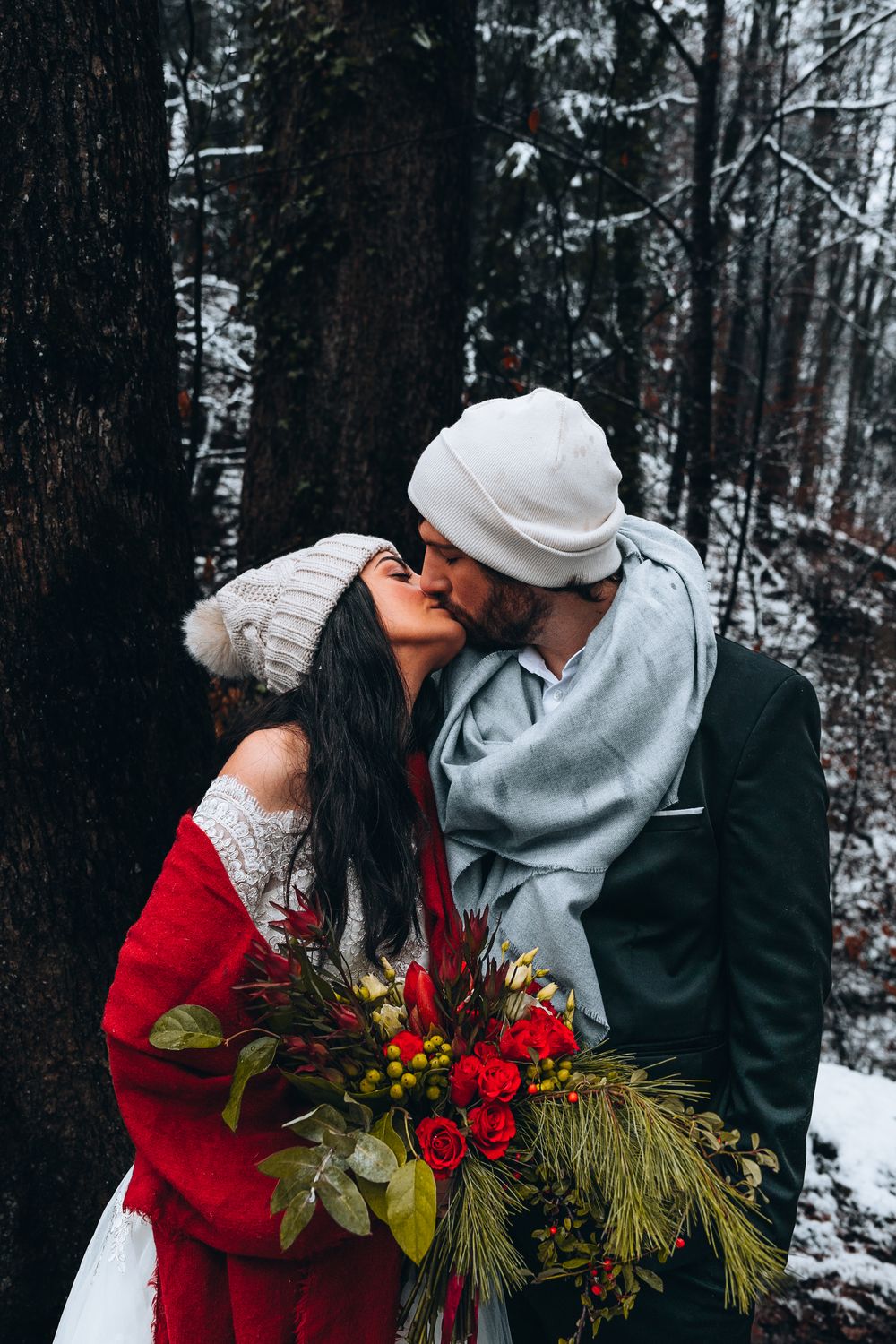
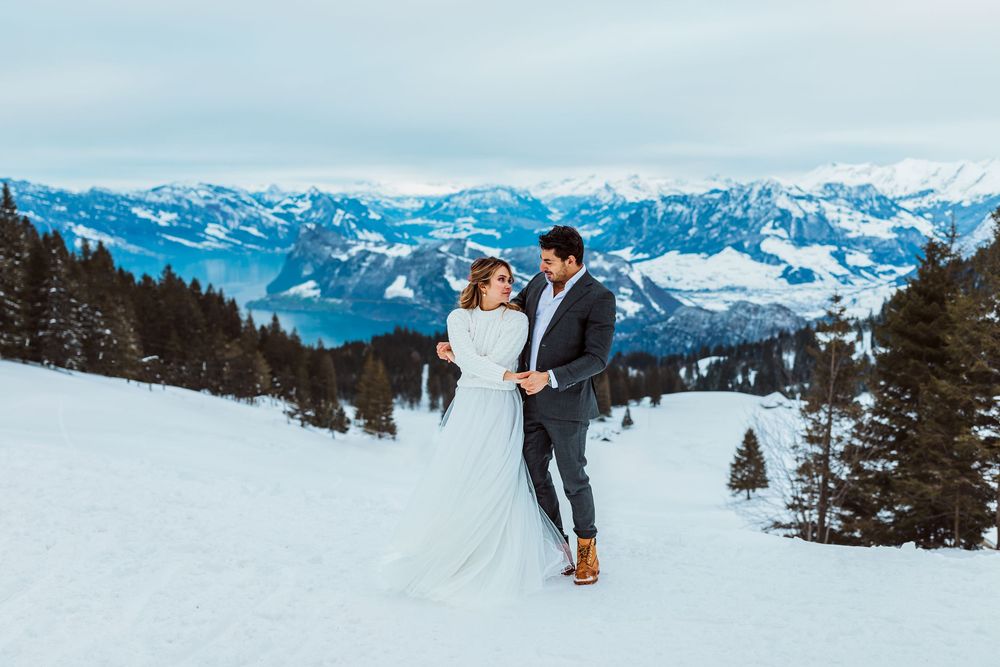
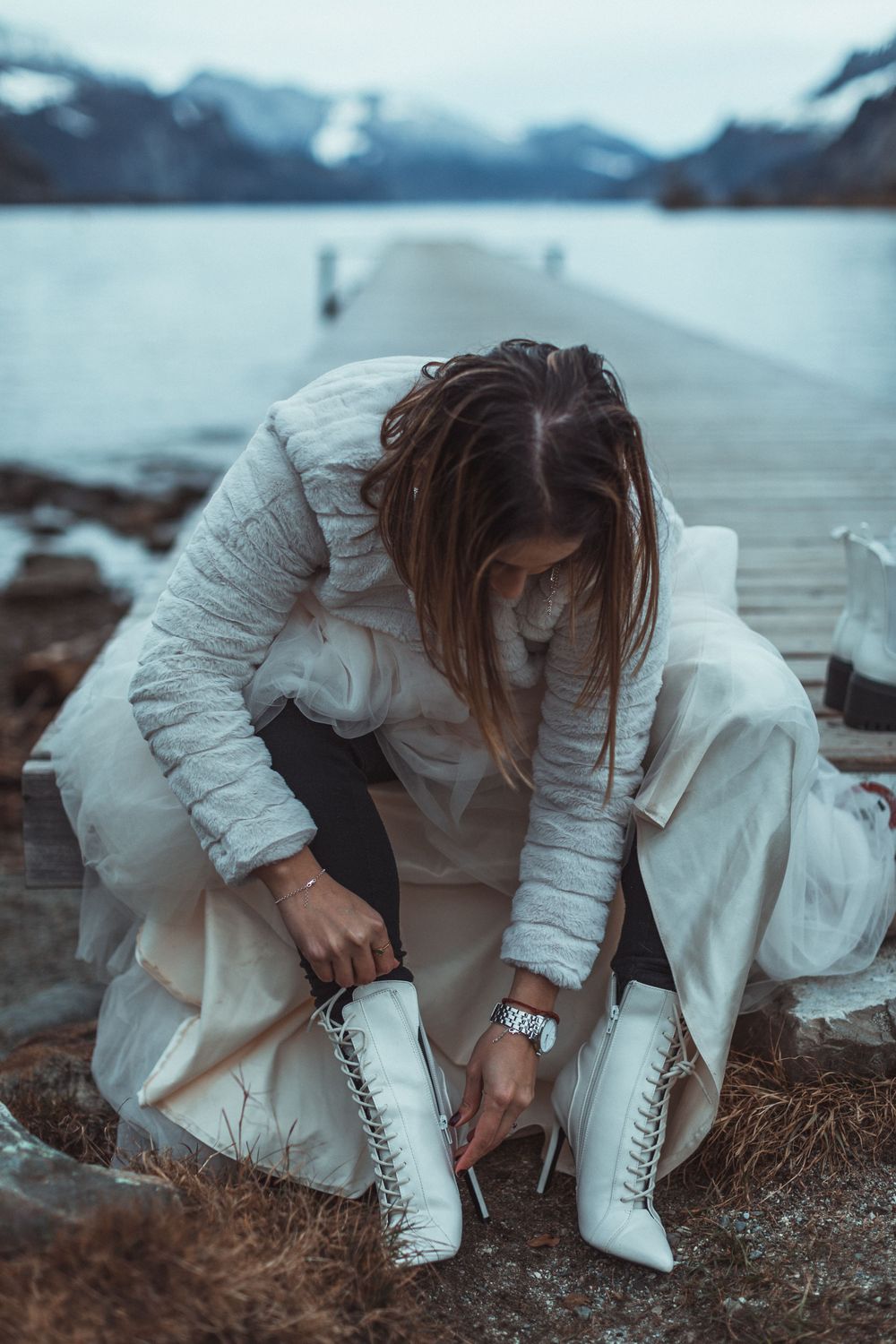
Shoes should be warm, waterproof, and grippy—think stylish hiking boots, not heels. Bring multiple layers, including thermal tights, wool socks, and hand warmers. Don’t be afraid to accessorize with cozy shawls, mittens, or faux-fur stoles.
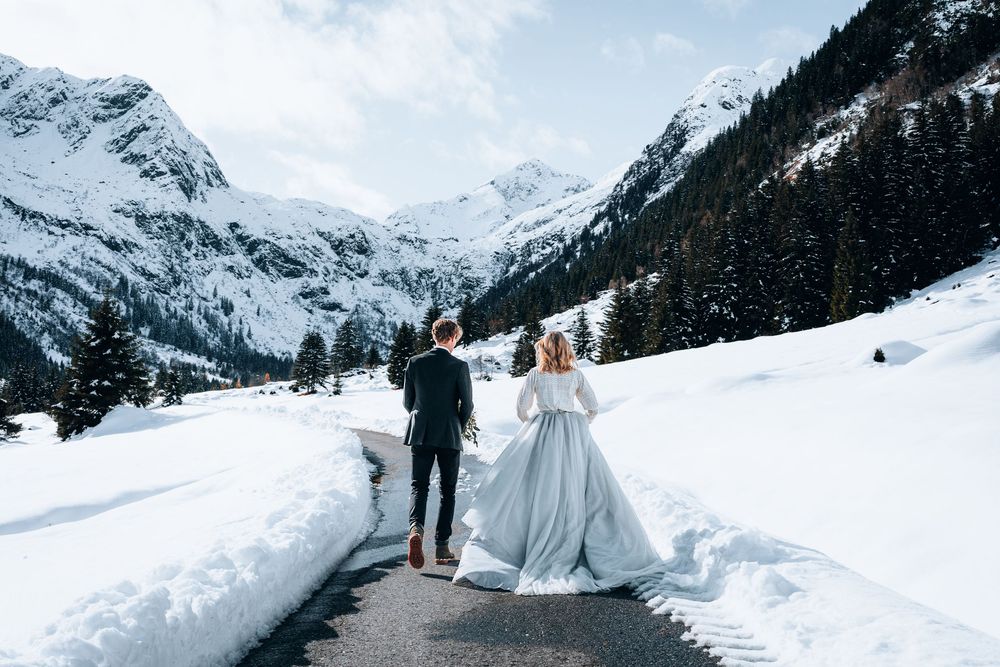
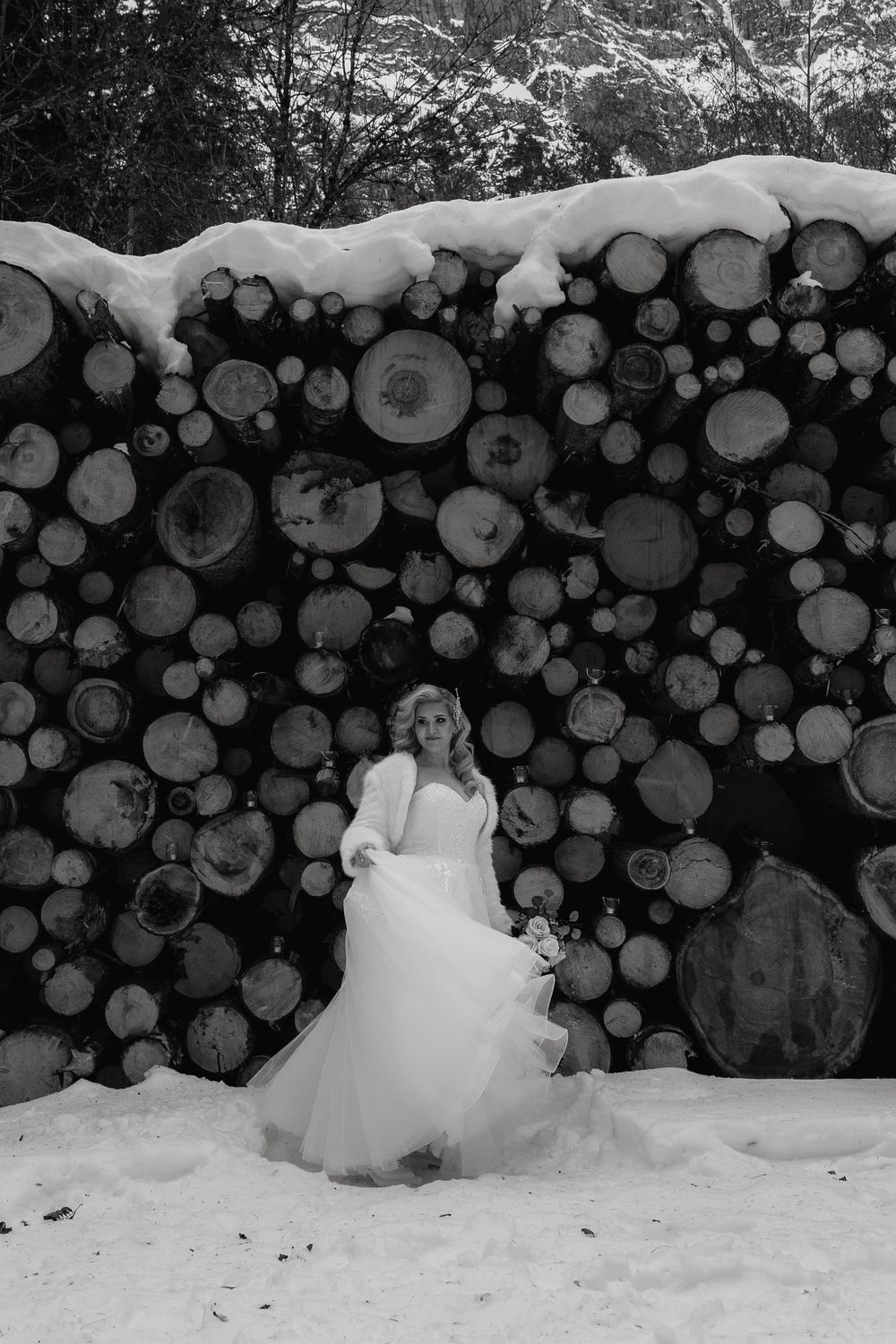
Pro Tip: Instead of a traditional wedding dress, consider a wedding skirt paired with a gorgeous knit sweater or wrap. It’s elegant, practical, and photographs beautifully. This combo allows for layering underneath and gives you freedom of movement—whether you're twirling in the snow or hiking to a lookout point.
Plan Warm-Up Breaks:
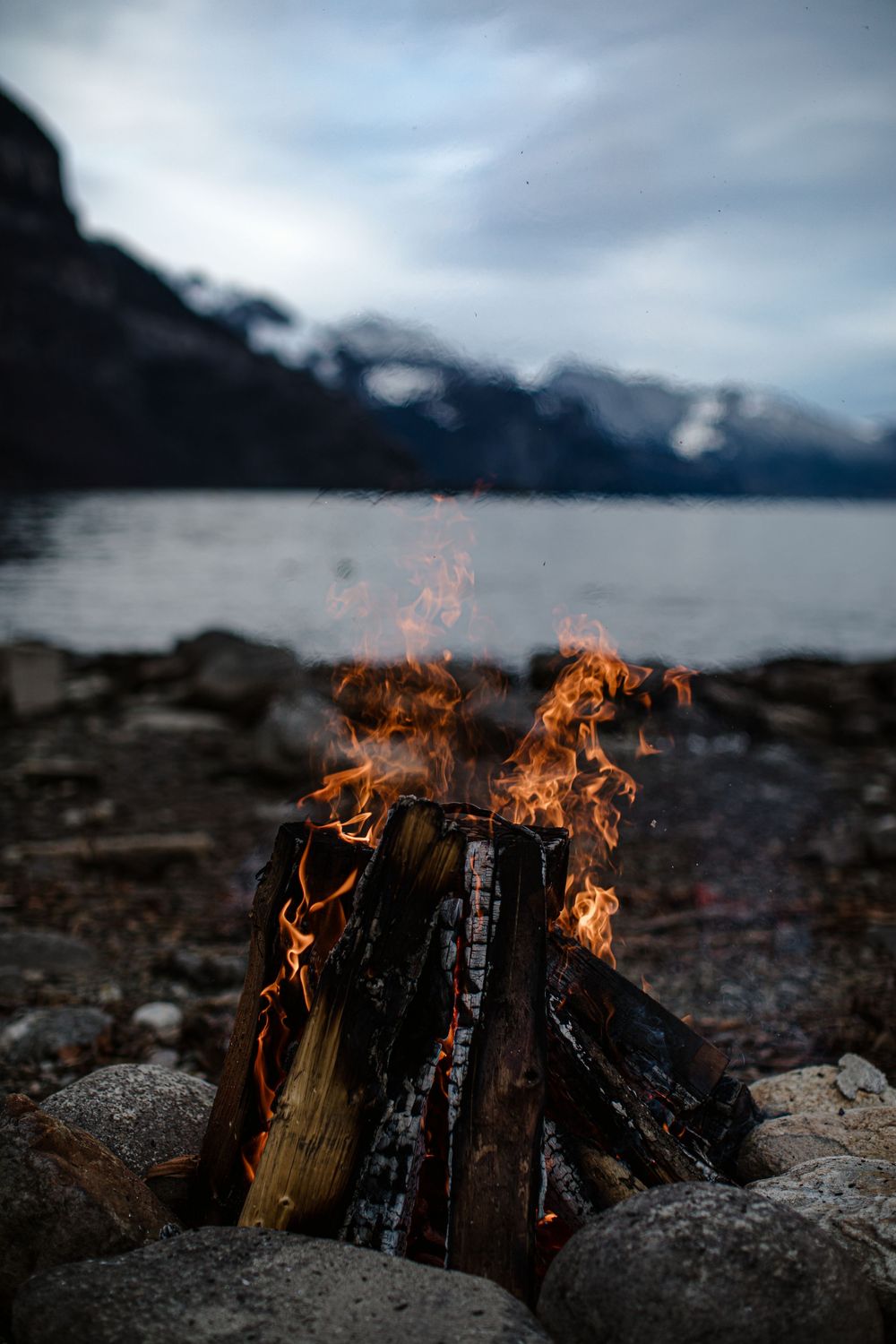
Whether it's a short ceremony or a full-day adventure, build in time to get warm. Most ski areas have lodges, mountain restaurants, or small huts where you can stop for tea, soup, or just a moment by the fire. These breaks keep spirits high and give everyone a chance to reset.
The Cons (And How to Handle Them)
While winter elopements are stunning, they do come with a few more moving parts. The most obvious? Unpredictable weather.
Snowstorms can delay travel, close gondolas, or create whiteout conditions that make photography (and being outside) difficult or dangerous. That’s why I always encourage couples to book a backup day, which I call a “weather day.” If conditions are rough, we can either shift the full elopement or just move the photography to a better day, depending on your needs. Alternatively, consider a ceremony on the original day and portraits later, when it’s safe and scenic again.
Have an Indoor Plan:
Sometimes the weather just doesn’t cooperate. That’s okay. Look into nearby indoor spaces you can use if needed—a cozy mountain inn, a glass-roofed spa, or even a rustic cabin can be beautiful and romantic backup options. The good news? Most alpine storms pass quickly, usually within a day, so a little flexibility goes a long way.
Limited Vendor Availability:
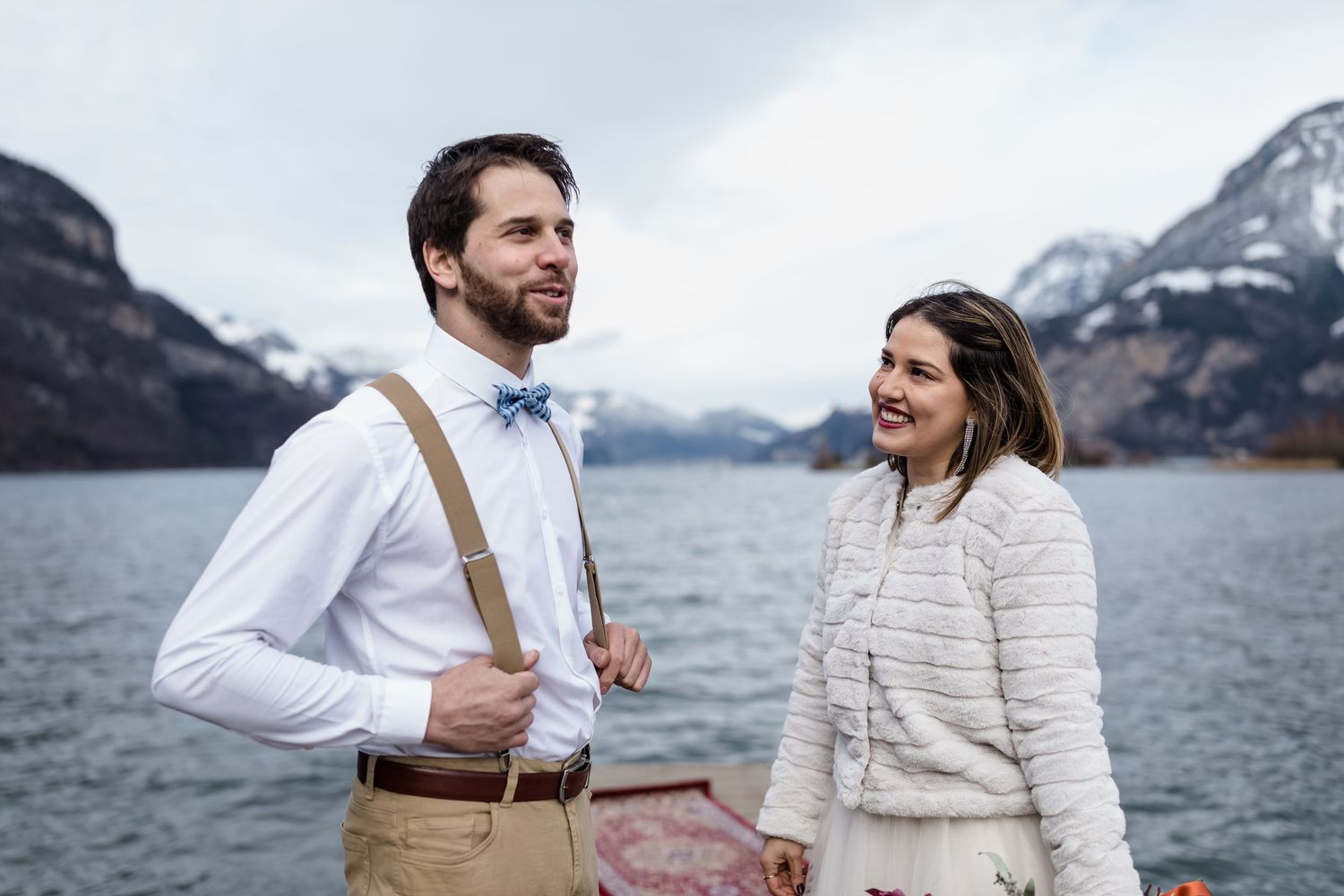
Winter is the off-season for many wedding vendors, which can be a double-edged sword. While you might find more flexibility in some areas, others—like florists, makeup artists, or hairstylists in small alpine towns—may not be operating at all during colder months. It’s important to book early and confirm who’s available and willing to travel in winter conditions. Sometimes it means getting creative or opting for a more DIY approach, especially in remote areas.
Bonus Tips for a Smooth Snowy Day
Here are a few final touches that will elevate your winter elopement and keep you feeling cozy and cared for:
- Pack hand and boot warmers for everyone involved
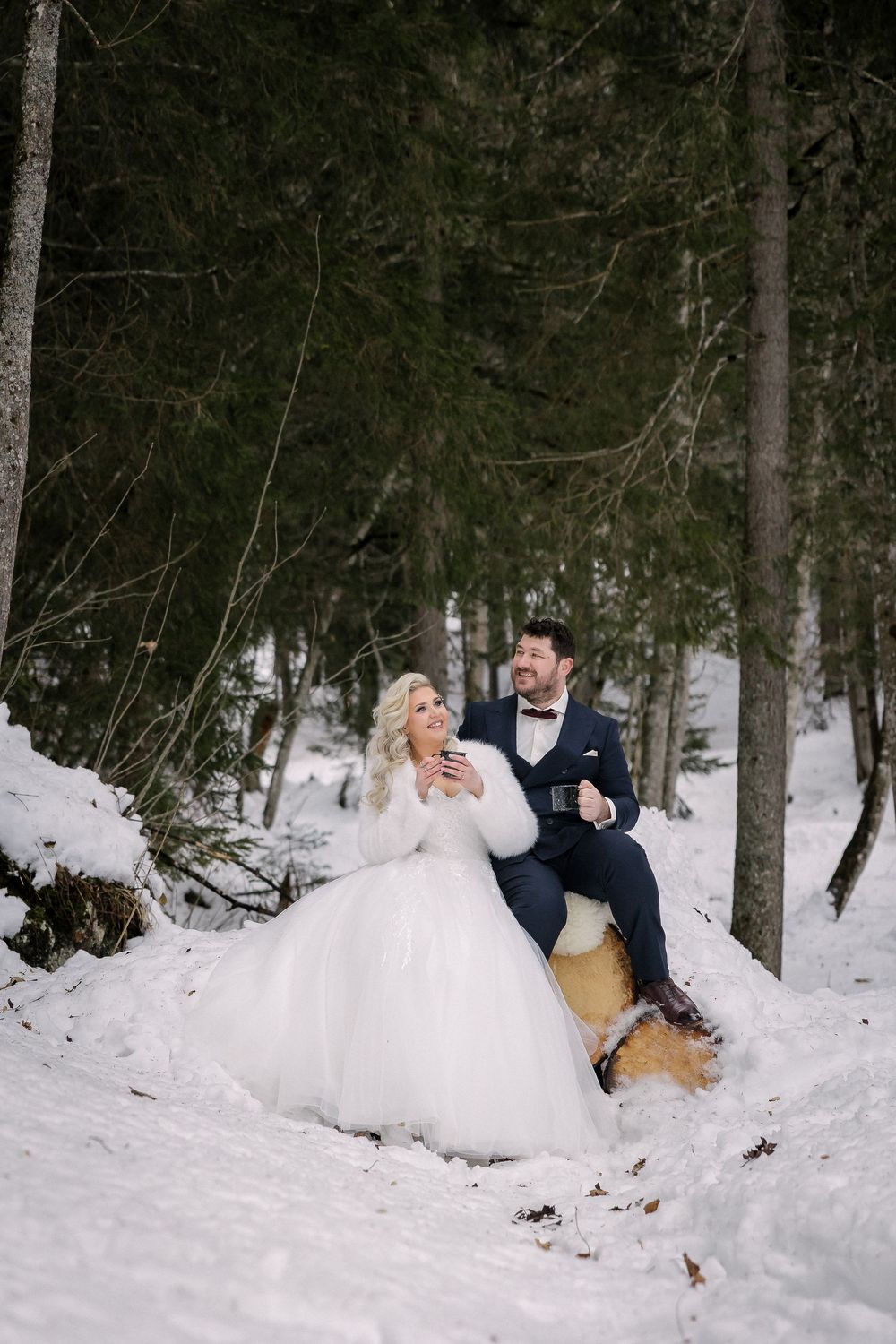
- Bring a thermos of hot tea, cocoa, or even mulled wine
- Wearings a wedding dress? Get some nude coloured leggings or thick tights to keep warm
- Choose a location with access to a heated space or indoor lounge
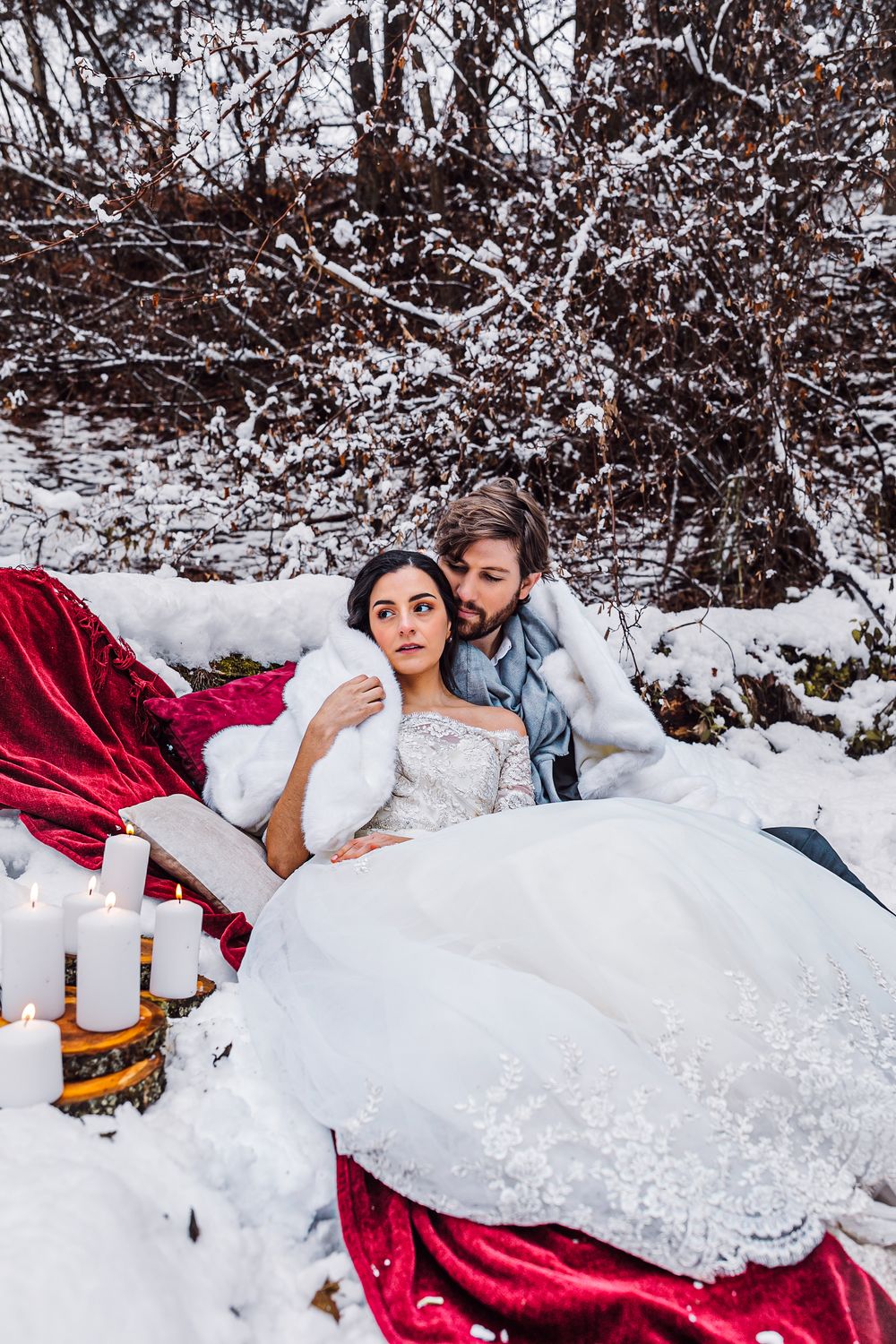
- Bring a blanket or wool shawl for cuddles (and extra cute photos)
- Opt for fingerless gloves to keep hands warm while exchanging rings
- Carry a waterproof bag or tote for storing layers, tissues, and snacks
- Keep it simple. The more simple your plan, the more flexibility you have which means you can maximise the fun!
Winter elopements are pure magic: cozy, cinematic, adventurous, and intimate. If you’re drawn to the wild stillness of the snowy season and love the idea of creating a day that feels deeply personal, winter might be the perfect time for you to tie the knot. With the right preparation, a little flexibility, and a warm drink in hand, your elopement can be an unforgettable adventure you’ll talk about for a lifetime.
Thinking of eloping in the Alps this winter? I’d love to help you plan and capture every snowy, beautiful moment.